

Language Matters... Primarks "Pre-Loved" Denim Capsule Collection
Paying attention to the intentional use of words that don’t accurately describe what it is we’re being sold...

My last newsletter noted the importance of identifying our values so we know what we’re looking for when engaging with brands, I pointed out a few ways vague language can lead us to believe we’re supporting a brand with ethical and sustainable practices but in fact we’re being intentionally confused.
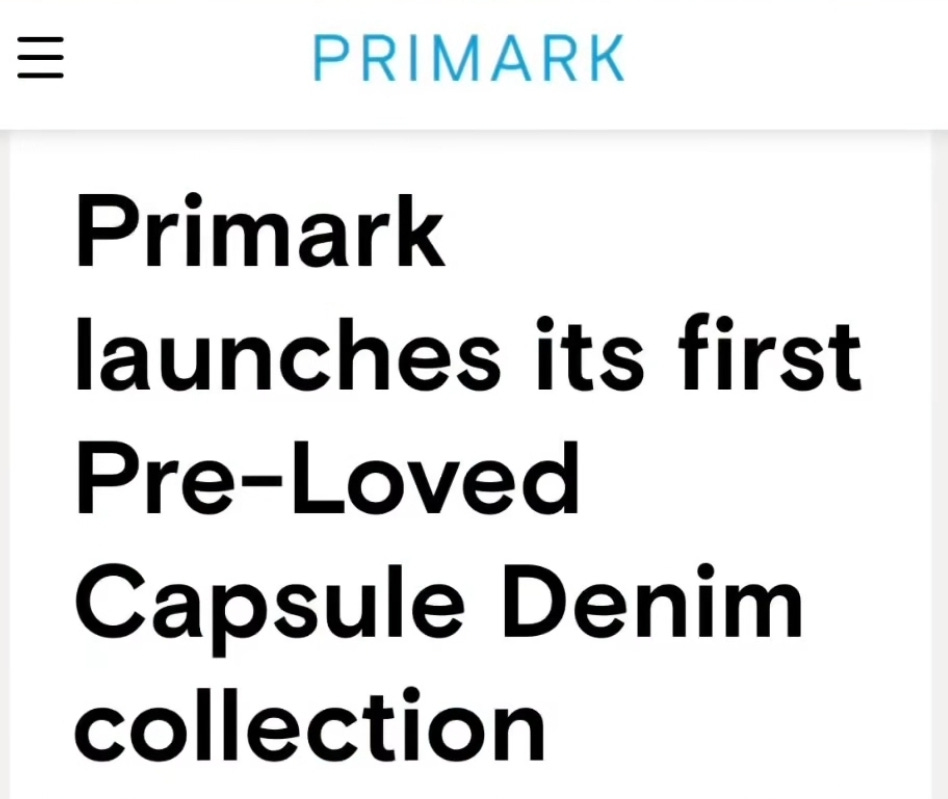
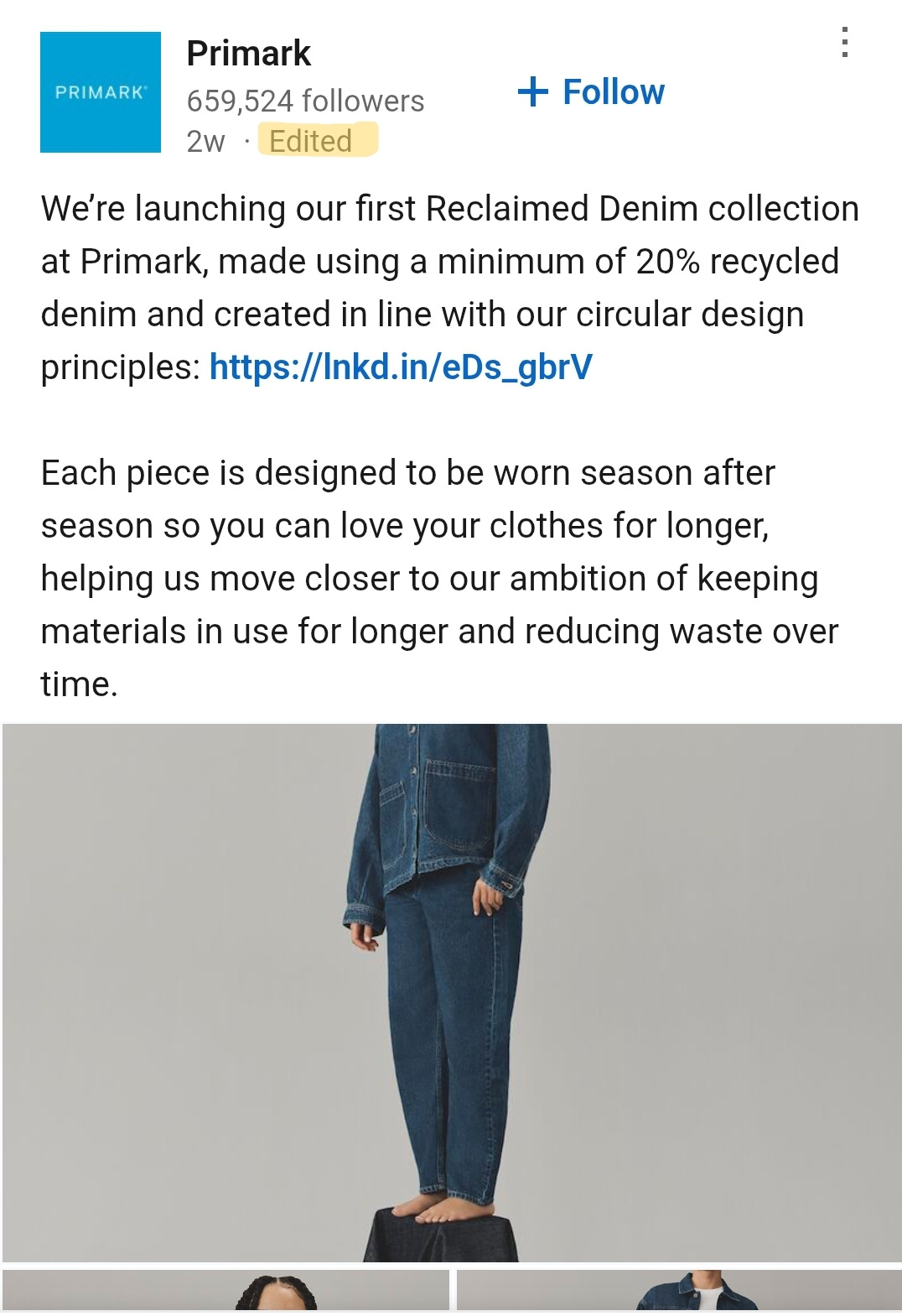
At the start of Feb Primark announced the launch of their Pre-Loved Capsule collection. Immediately there was backlash due to their choice of words “Pre-Loved” when upon further reading it became clear this was a collection of new clothes with partial reclaimed denim fibre. They’ve now changed the wording on their posts to reflect more accurately a “Reclaimed Denim” capsule collection opposed to Pre-Loved.
Distinction
This distinction matters. Through the evolution of fashion terms and the way we use language today, Pre-Loved has come to mean secondhand, clothing that was once owned by someone and instead of being thrown away it’s now going to another owner to be loved again. This isn’t the case for this capsule collection.
The press release states “ Reclaimed denim is made using discarded denim textiles that are recycled into new cotton fibre. Each product contains a minimum of 20% recycled denim” - This is a collection made from recycled cotton fibre, not a pre-loved one.
This distinction doesn’t claim any position on a moral high ground, theres a need for pre-loved, reclaimed, recycled, upcycled, innovated technology across the industry. What we need to pay attention to is the intentional use of words that don’t accurately describe what it is we’re being sold.
This is a collection designed from scratch with the intention of removing common barriers for end-of-life recycling. They’re doing this by integrating recycled cotton content from old jeans, removal of metal rivets and stretch fabric which makes the fibre composition of this collection eligible for easy recycling. This allows the garments from this collection to be turned back into new fibres once again. This in itself is great, so why do big brands like this insist on greenwashing with irrelevant terminology instead of keeping it real? Just be honest about what it is.. and that this is as far as you’ve gotten so far with your garment end of life solutions.
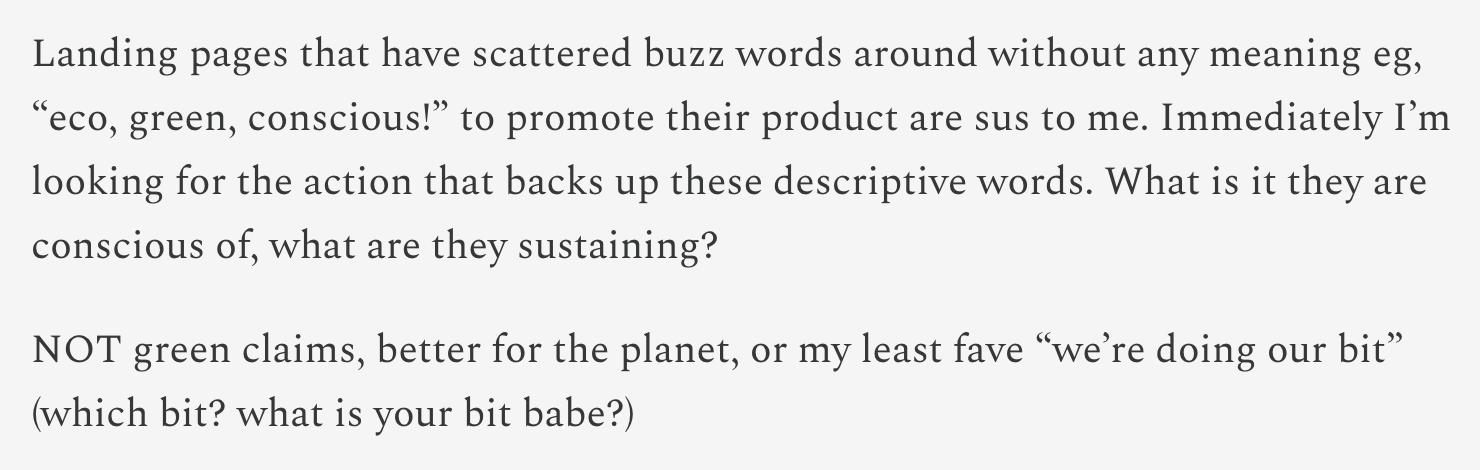
It reminds me of this section from my last newsletter, brands know what they’re doing when they use these words. Communication is a key element of brand visibility, communicating core values to call in customers that align. So..when you deliberately use evasive language you’re deliberating claiming something you cannot back up.
Affordability
The press release states: “Designed and made to be worn season after season, this collection is the next step in encouraging customers to love their clothes for longer. With pieces priced between £18 and £24, the collection pairs on-trend style with affordability.” Which is another reminder to ask further questions:
- How is this collection able to be priced so low with such intensive fibre creation?
- Are the garment makers paid a wage that allows them to live sustainably?
I don’t know but its worth asking.